Things to Check Before Booking a Dune Buggy Adventure
Booking a desert drive is easy to do in a few minutes, but the small details make a real difference once you arrive. A dune buggy ride is not the same as driving on a road. The surface shifts, the light changes quickly, and the vehicle has to cope with sand, heat and uneven ground. Before you confirm anything, slow down and check what is included, what is expected of you and what the day will actually involve.
The best preparation is practical rather than elaborate. Think about the vehicle, the safety equipment, the route, the timing and your own comfort level. Each point affects how relaxed the experience feels, especially if this is your first time on an off-road vehicle.
What the booking covers
Start with the basics of the reservation. Check the date, the meeting point, the start time and what happens after you arrive. A clear booking should tell you whether the drive is shared or private, how long the driving portion lasts, and whether there are breaks built into the experience. If the listing is vague, ask for the schedule in plain terms before paying.
It is also worth checking what is included around the drive itself. Some experiences focus only on time in the vehicle, while others include transport, refreshments or a short stop in the desert. None of these details are more important than safety, but they help you judge the overall value and plan the rest of your day. If you are comparing options for self drive dune buggy dubai, look past the headline and read the inclusions line by line.
- Vehicle and driving format: Confirm whether you drive, ride as a passenger, or switch during the trip, and whether a licence is required.
- Duration and route: Check how long you are actually behind the wheel and what type of terrain the route covers.
- Equipment provided: Ask about a helmet, safety harness and any other required gear before you travel.
- Transport and meeting details: Make sure you know where to go and how you will get there.
- Extra costs: Check whether optional add-ons are separate so there are no surprises on the day.
Vehicle condition and driver fit
A buggy should feel suitable for the person driving it. Check the engine type if the details are available, because power delivery matters on sand. A vehicle that is easy to control at low speed is often more reassuring than one with impressive figures on paper. The aim is not to force the vehicle across the desert, but to keep steady momentum and respond calmly to the surface.

Ask whether the buggy has a roll cage, working seat belts and a clear handover before departure. A helmet should fit properly, not simply be present. A safety harness should sit snugly and be adjusted in a way that lets you reach the controls without stretching. If anything feels loose or awkward, say so before setting off. That first few minutes is the right time to ask questions about acceleration, braking and what to do if the vehicle slows in soft sand.
Driving techniques matter more than many first-time visitors expect. On dunes, sharp turns and sudden throttle can cause trouble. Smooth steering, gentle acceleration and awareness of the slope ahead are safer habits. A good briefing should explain these points in simple language, including how to behave if another vehicle is nearby and where to stop so you are not blocking a path.
Timing, clothing and comfort
Desert conditions can feel very different from city conditions. Midday heat, windblown sand and low light near sunset all change how the drive feels. Check the start time and think about what the temperature will be like then. Morning trips often feel cooler, while late afternoon light can be beautiful but may bring a rush if many people book the same window.
Wear closed shoes, long trousers and clothing that protects your skin from sun and sand. Sunglasses can help with glare, though they need to fit comfortably under a helmet. Bring water for before and after the drive, and avoid wearing loose scarves or anything that could catch on the vehicle. If you are unsure about dress standards or storage for personal items, ask before the day rather than at the meeting point.
When comparing self drive dune buggy dubai options, consider the pace as well as the scenery. A longer route is not automatically better if it leaves little room for breaks. A shorter session with a clear briefing may suit a nervous driver more than a packed itinerary. The right choice depends on your confidence, the group and how much time you want to spend moving across sand dunes rather than preparing and waiting.
Experience level and group dynamics
Check the minimum age, driving experience requirement and whether passengers are allowed. These rules exist for a reason and may affect who in your group can take part. If one person has driven off-road before and another has not, tell the provider during booking. The briefing can then be framed for the least experienced driver, which helps everyone feel more prepared.

Group size also changes the feel of the day. A larger group can be lively, but it may mean more waiting and less space to settle into the drive. A smaller group can feel calmer, though it may cost more or offer fewer departure times. Decide what matters most: steady attention, a social atmosphere, or simply more time in the vehicle.
Weather and terrain on the day
Sand changes after wind and heavy use. Soft patches, tracks and firm ground can all appear within a short distance. Ask how routes are chosen and whether plans change when conditions are not suitable. A responsible operator will avoid pushing ahead when the terrain is not appropriate for the group.
Tyre pressure is another detail that affects control on sand. Lower pressure can help a vehicle float over soft ground, while incorrect pressure can make steering feel heavy or unpredictable. You do not need to manage this yourself, but you can ask whether the vehicle is prepared for desert terrain before departure. The answer should be clear and confident.
Heat is part of the setting, so check whether there is shade at the meeting area and whether water is available. If anyone in the group is sensitive to dust or bright sun, plan ahead. Comfort is not a minor extra here. When people are hot, tense or rushed, they listen less carefully and react more slowly.
Safety briefings and clear signals
A proper briefing should cover more than where the vehicle is parked. It should explain hand signals, stopping distance, what to do if visibility drops and how drivers should space themselves on the route. Listen closely to instructions about overtaking and following. On open sand, it can be hard to judge speed, so clear spacing helps everyone stay in control.
Ask what happens if a driver stops mid-route. A stalled vehicle or a moment of uncertainty should be handled calmly, with guidance from the team and enough space for other buggies to pass. Check whether there is a support vehicle nearby and how communication works across the group. These details rarely appear in glossy descriptions, yet they shape how secure the experience feels.
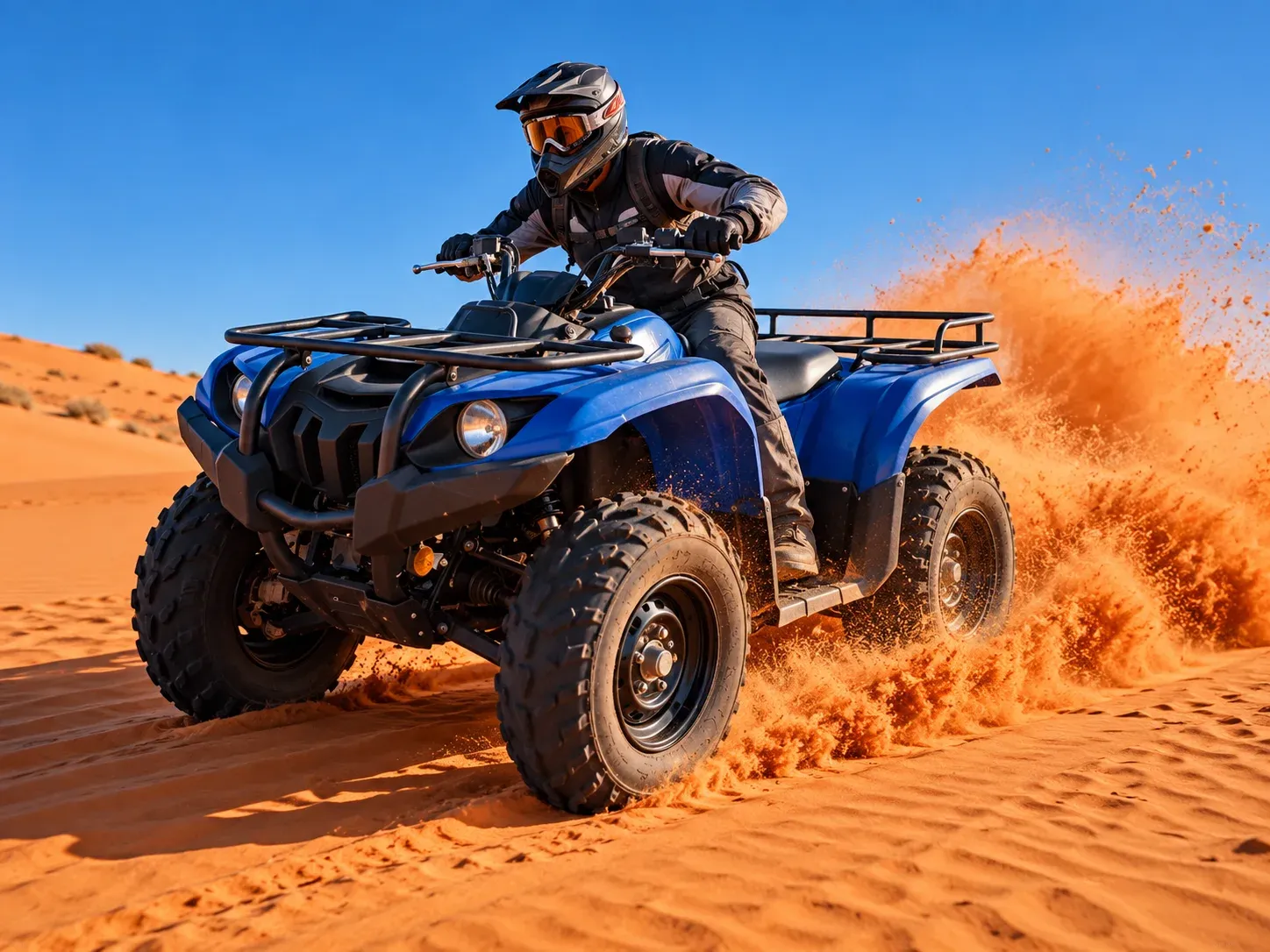
If you are new to this kind of driving, be honest about it. Confidence helps, but overconfidence can lead to poor decisions. A steady driver who listens well will usually have a better time than someone who tries to copy aggressive moves. Keep both hands on the wheel, follow the marked route and avoid sudden changes in direction.
Before you confirm
Read the terms attached to the booking, including cancellation rules and any age or licence conditions. Check what identification you need to bring and whether digital copies are accepted. Save the meeting details somewhere easy to find, and allow extra time for traffic or delays. Arriving flustered can set a tense tone before the vehicle even starts.
A well-chosen dune buggy outing feels organised without feeling overmanaged. The vehicle suits the driver, the safety gear fits, the route matches the group and the timing leaves room to enjoy the desert. Once those points are clear, the rest is mostly about being ready for sand, sun and a changing landscape. A little careful checking before booking helps you arrive prepared and spend more of the day looking ahead across the dunes instead of second-guessing what comes next.